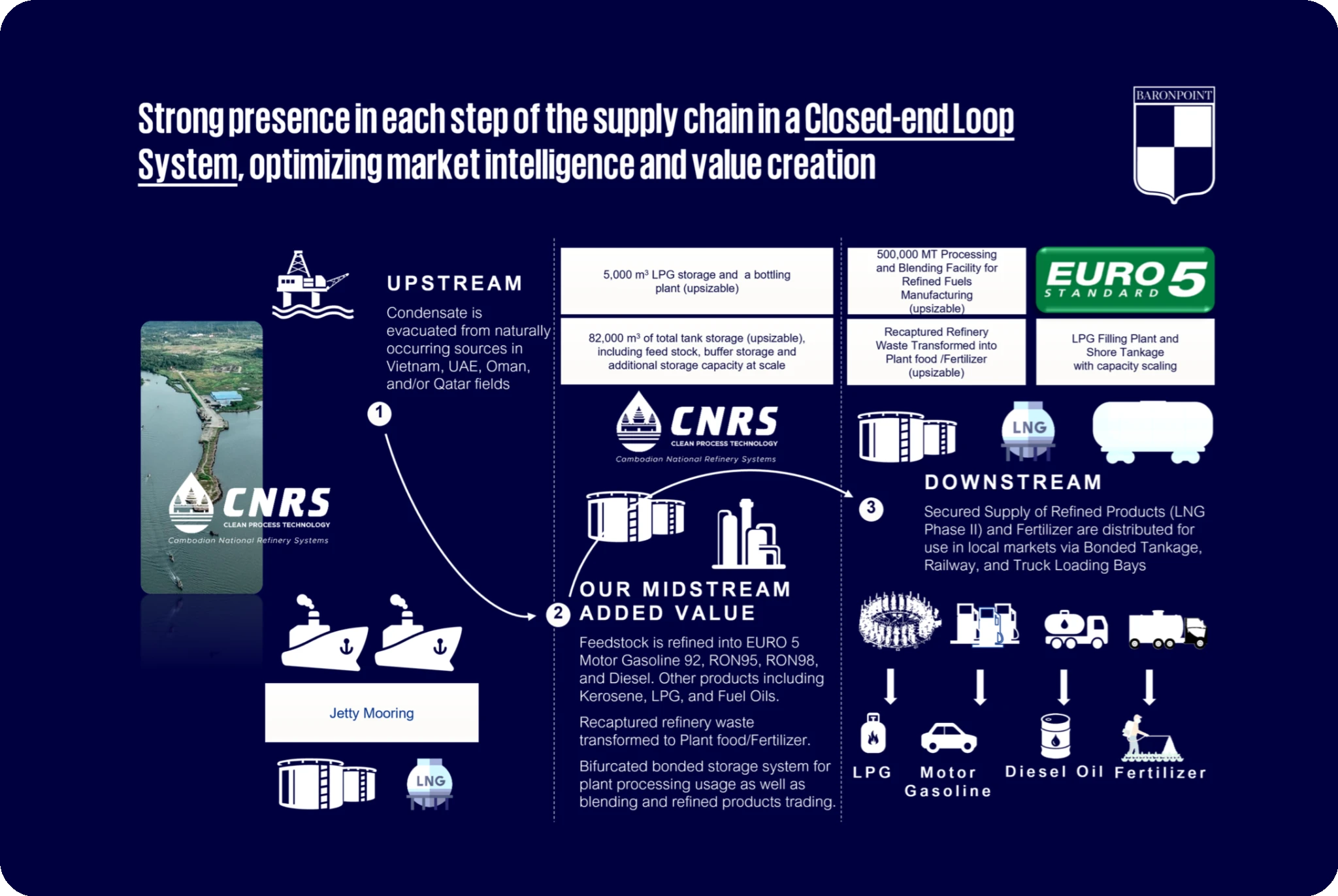
Baron Point’s portfolio company, Cambodian National Refinery SystemsTM (CNRSTM), provides hydrocarbon products to wide and varied wholesale customers around the world. We strive to deliver cleaner burning and more efficient fuels, and our products and services are designed to meet the needs of local and regional service stations, State-Owned Enterprises, Major Airlines and Fuel Aggregators, and Top-tier trading houses — servicing a wide range of needs including consumer, industrial, construction, aviation and shipping.

Jet fuel is a refined petroleum distillate designed specifically for aviation applications. It provides an effective balance of energy density, operational performance, safety, handling characteristics, and cost efficiency required by modern aircraft.
Aviation fuels ...
read more

EN590 defines the European standard for automotive diesel fuel across the EU and international markets. It supports modern diesel engines and emissions systems through strict sulphur and quality requirements....
read more
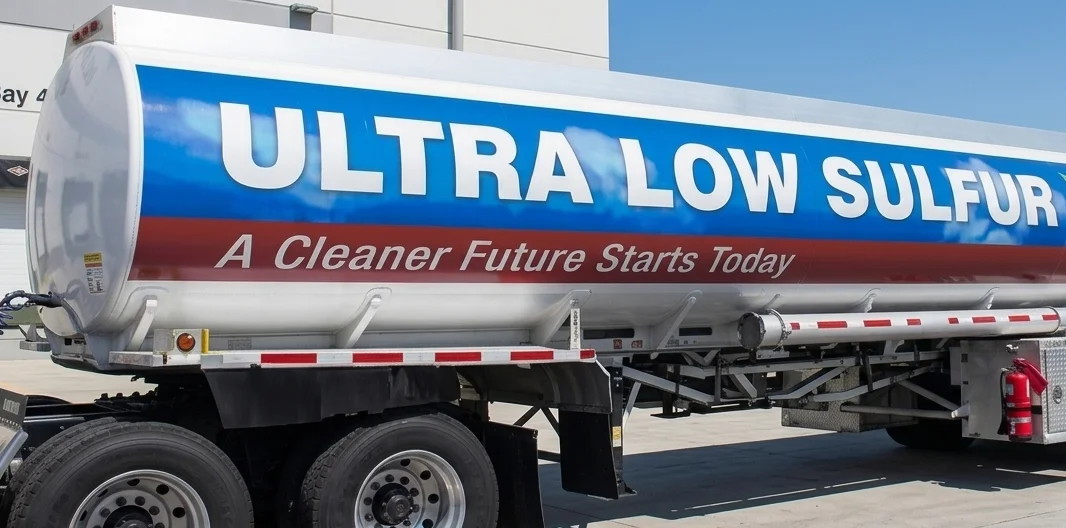
ULSD is a D2 diesel fuel refined to less than 15 ppm sulphur under EPA standards. It improves emissions performance and supports modern diesel engine systems with a Cetane Index of ~51....
read more
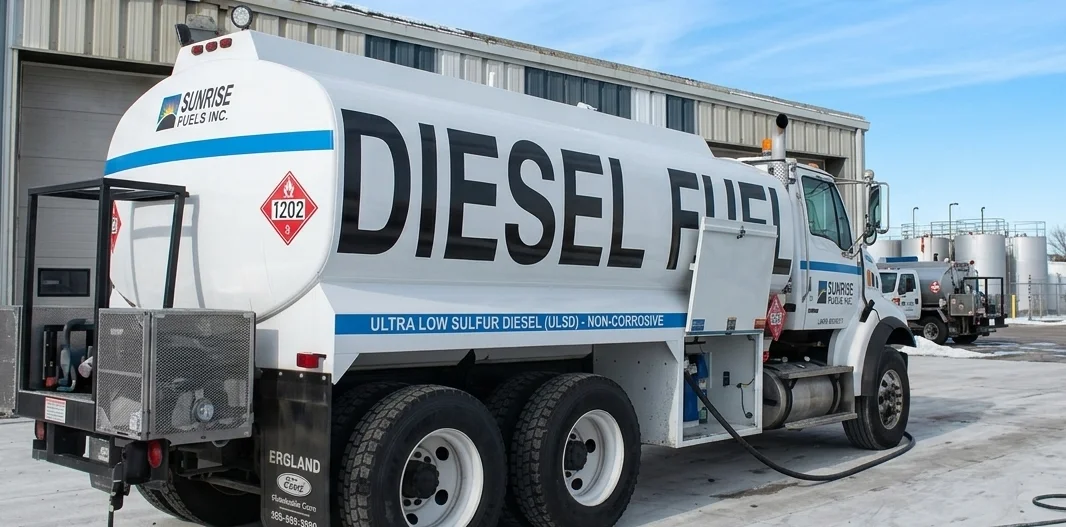
Diesel Gas Oil (D2), is a middle distillate fuel used in transport, industry, agriculture, heating, and power generation. D2 remains one of the most widely used petroleum products, globally....
read more
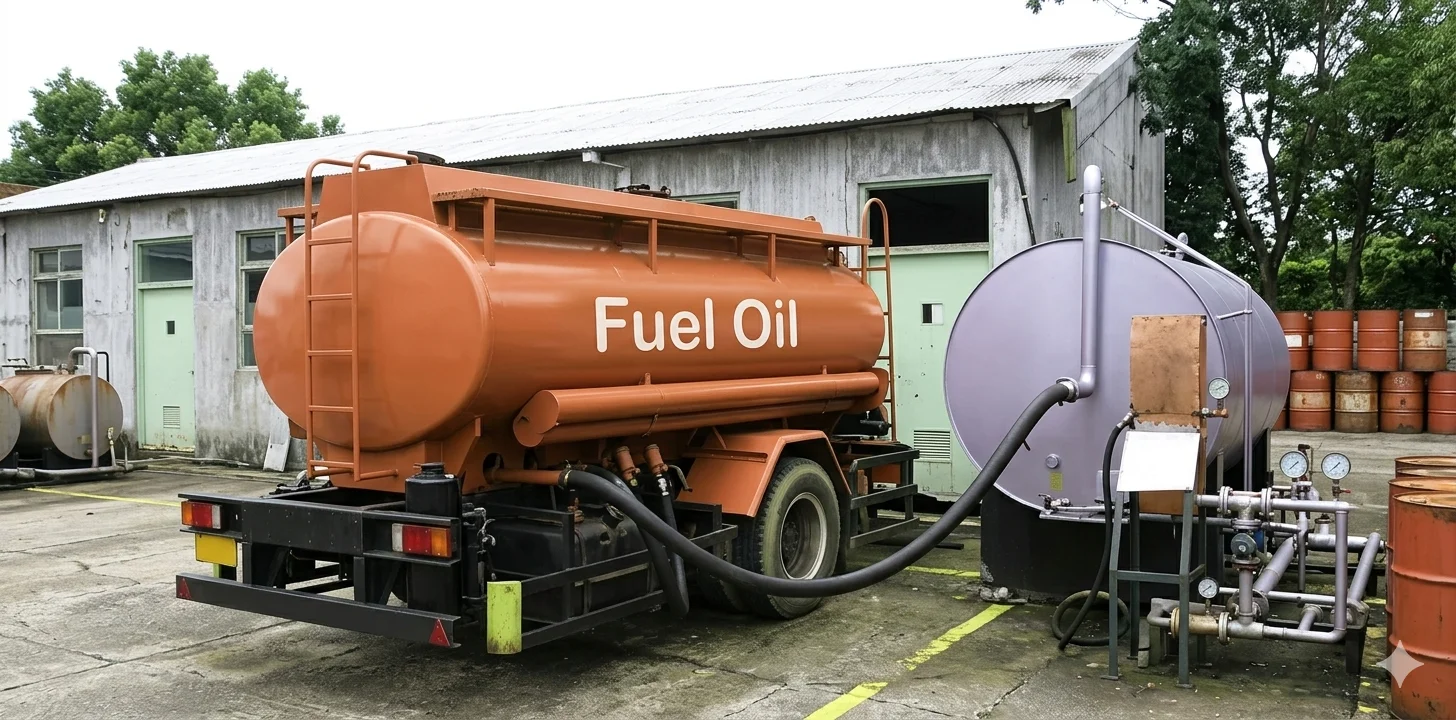
CST 180 and CST 380 are residual fuel oils used in industrial, marine, and power generation applications. CST 380 is the heavier, higher-viscosity grade. Additionally, Diesel D6 Virgin Fuel Oil is a high-viscosity residual fuel requiring preheating for handling and ...
read more

Mazut is a heavy residual fuel oil used in industrial boilers, power plants, district heating systems, and marine engines.
It requires preheating due to high viscosity and is widely used in regions with heavy fuel infrastructure.
Mazut M-100 is one of the m...
read more

Base Oil is the primary raw material used in lubricant manufacturing, including engine oils, hydraulic fluids, and industrial lubricants.
It serves as the base component for blending performance additives to meet specific viscosity and performance requirements....
read more

Bitumen is a petroleum residual used in road construction, paving, roofing, and waterproofing. Approximately 85% of global production is used in road infrastructure....
read more
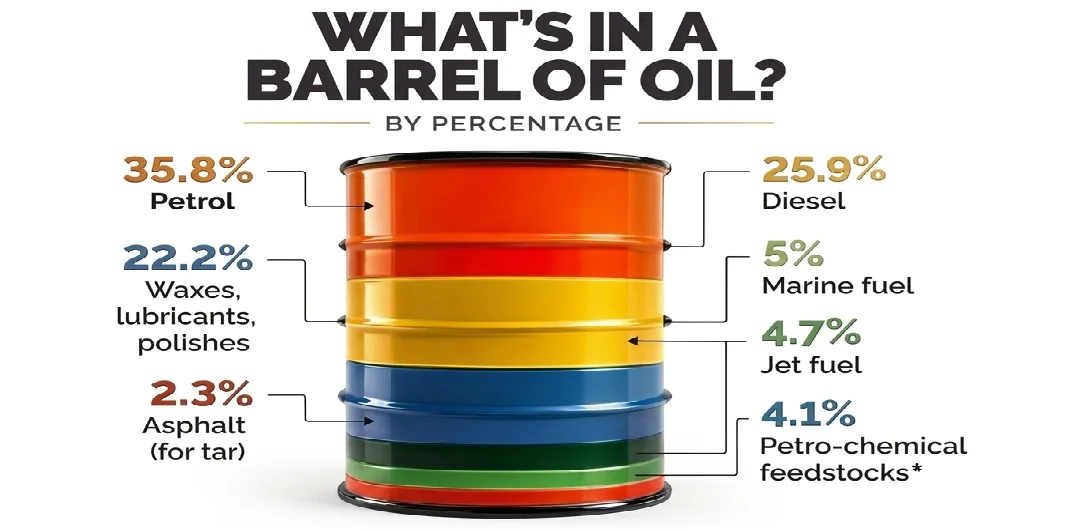
Crude oil is the primary feedstock for global refining and petrochemical production....
read more
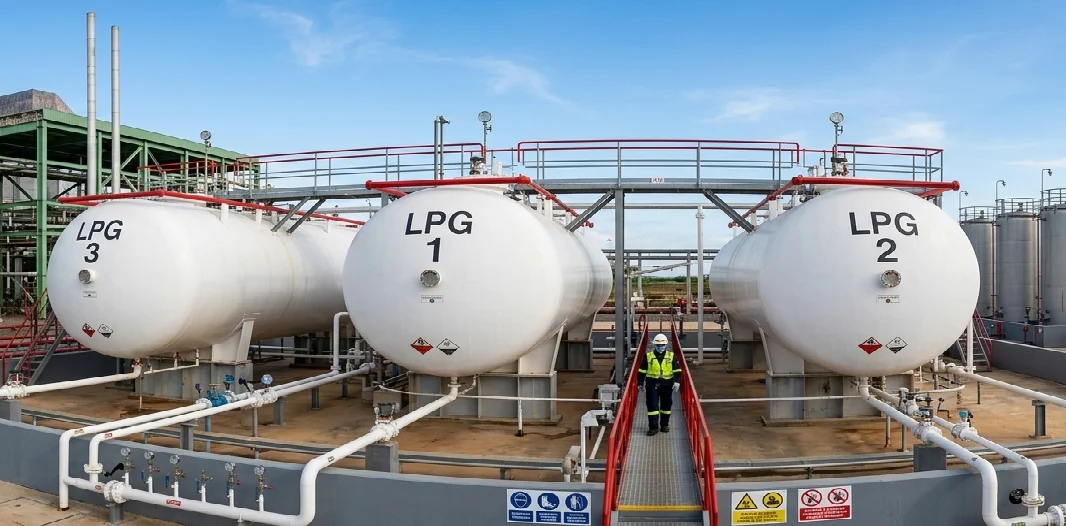
LPG consists of propane, butane, and related hydrocarbons used in energy, transport, and industrial applications....
read more
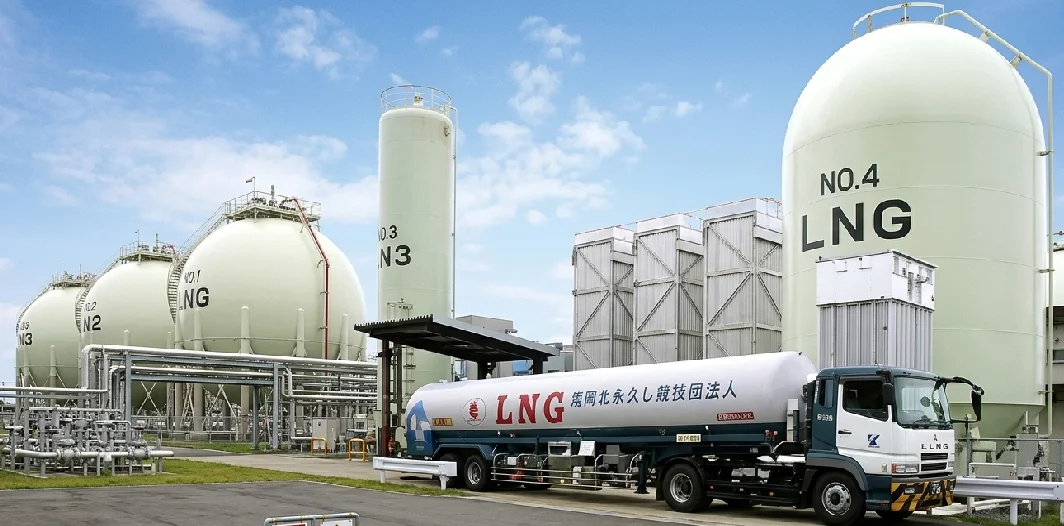
LNG is natural gas cooled to -161°C for efficient storage and transport....
read more

 Login
Login